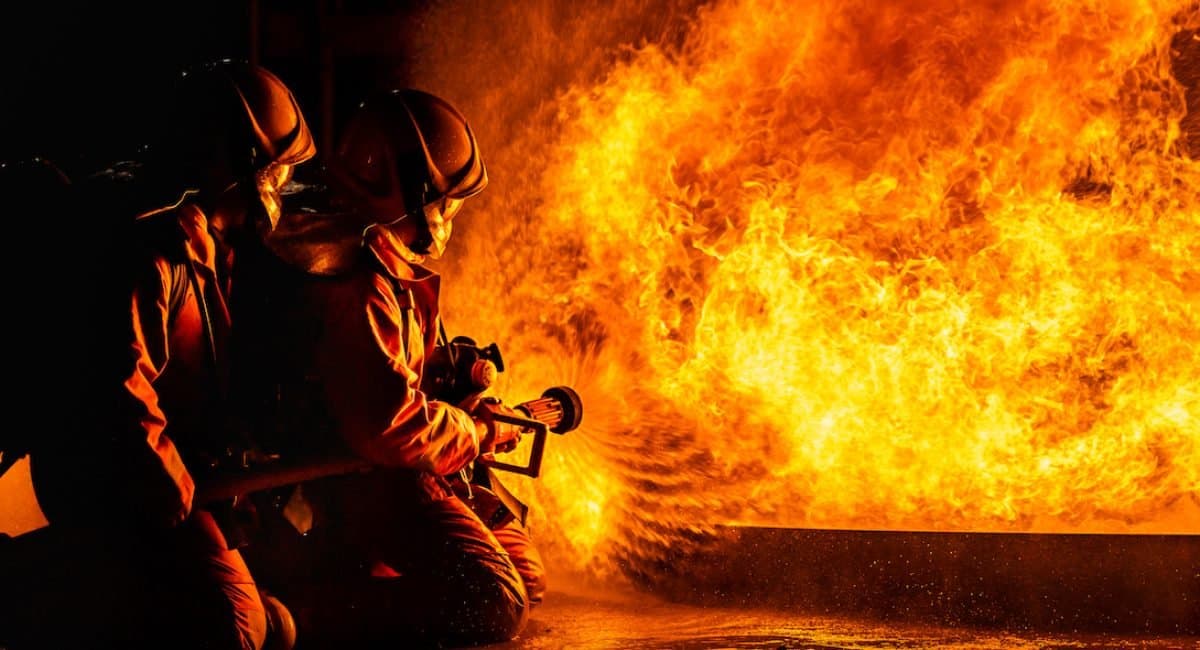
Computer vision is a powerful tool for many business cases but also actively supports the work of public services. Fire departments represent one of the most impactful applications — improving safety, accelerating response times, and enabling evidence-based prevention.
Early Detection of Fire
Early fire detection preserves lives by allowing faster evacuation and emergency response. Early detection of a fire allows for a faster response, potentially reducing the extent of damage.
Traditional heat and smoke sensors have placement limitations and can miss early-stage fires. Camera-based computer vision systems better identify small fire clusters that traditional detectors might miss, particularly in large open spaces like warehouses, forests, and industrial facilities.
Prevention: Intelligent Surveillance Systems
Computer vision automates building inspections to identify fire hazards before incidents occur. Systems analyze live camera feeds for:
- Smoke or flame signatures at very early stages
- Accumulation of flammable materials in restricted areas
- Malfunctioning equipment with elevated thermal signatures
Algorithms analyze fire behavior patterns — smoke characteristics, flame color and intensity, spread direction — to predict fire advancement and inform evacuation planning.
For expansive areas like forests and national parks, drone and satellite-equipped vision systems monitor fire formation and spread, protecting environmental and public health through early containment.
Operational Support During Firefighting
During active operations, computer vision provides critical situational awareness:
- Personnel tracking — monitoring firefighter locations in hazardous zones and triggering alerts when individuals enter high-risk areas
- Equipment monitoring — tracking status and location of breathing apparatus and other life safety equipment
- Traffic management — computer vision manages traffic flow around affected areas to ensure emergency vehicles navigate efficiently
Data Analysis and Prevention
Historical fire incident data analyzed through computer vision and machine learning identifies patterns and trends that humans may not recognize across large datasets. This evidence-based approach enables:
- Development of targeted prevention strategies for high-risk locations
- Optimization of resource allocation across fire station networks
- Building code recommendations based on fire spread analysis
The combination of real-time detection and historical analysis positions computer vision as a comprehensive tool throughout the entire fire safety lifecycle — from prevention through response and recovery.


