The technological breakthrough that comes with smart computer vision algorithms is also observed in modern livestock farming and agriculture. The 2022 EuroTier trade fair designated livestock farming digital transformation as its central theme — a signal of how deeply technology is reshaping animal agriculture.
Exhibitors emphasized that European animal production must align with the EU's Green Deal initiative, focusing on sustainable food systems with priorities of climate neutrality and animal welfare.
Transformation in Livestock Farming
Precision farming technologies collect and analyze extensive data to inform farm management decisions. Sensors monitor health parameters like temperature and heart rate, while machine learning algorithms process behavioral information. This enables farmers to optimize animal care decisions with objective data rather than periodic manual inspection.
Key application areas include:
- Livestock health monitoring — detecting early signs of illness before visible symptoms appear
- Food and water supply management — ensuring adequate nutrition and hydration at scale
- Abnormal behavior detection — identifying stress, injury, or disease through behavioral changes
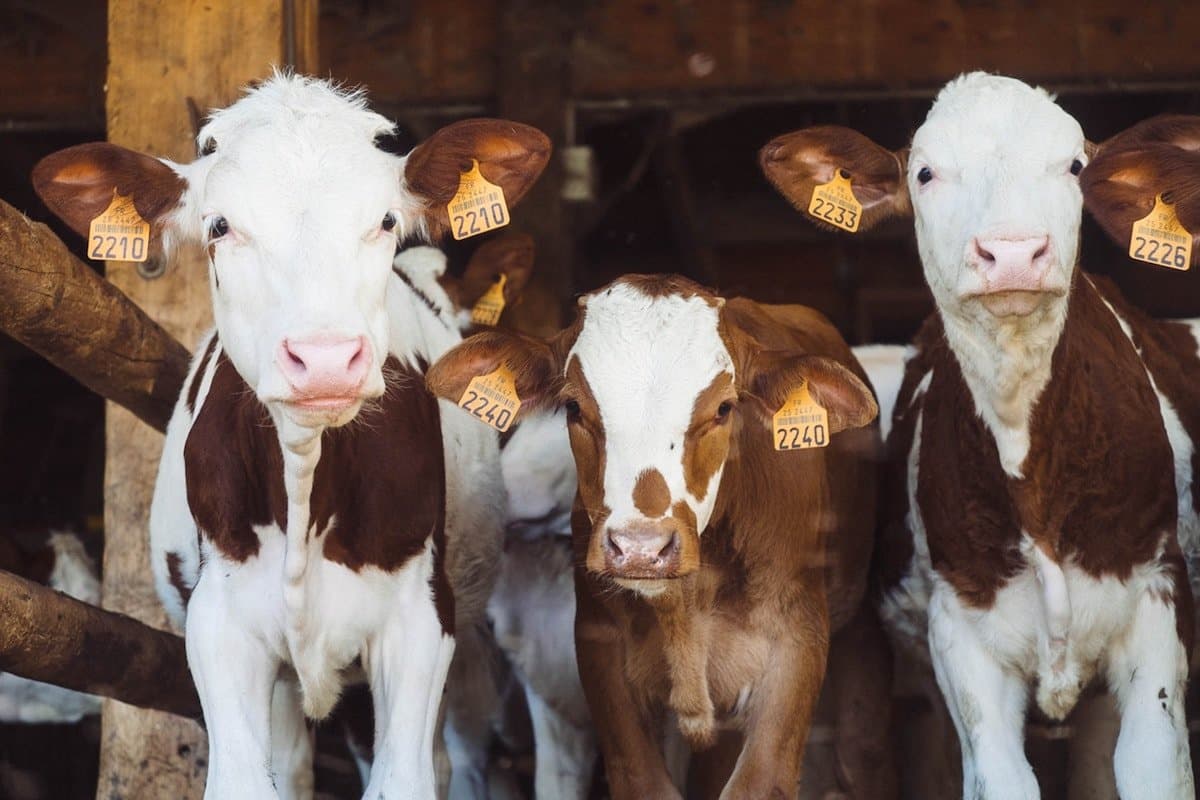
- Livestock counting — automated census for pasture and facility management
These applications require dedicated surveillance systems with high-definition cameras covering animal housing areas. Drones provide aerial monitoring capabilities for expansive grazing areas where ground-based cameras are impractical.
Optimizing Farm Operations
Systems continuously monitor pasture animals, analyzing behavior, temperature indicators, and water trough levels. Real-time alerts enable farmers to respond promptly to animal needs rather than relying on scheduled check-ins.
Additional innovations include:
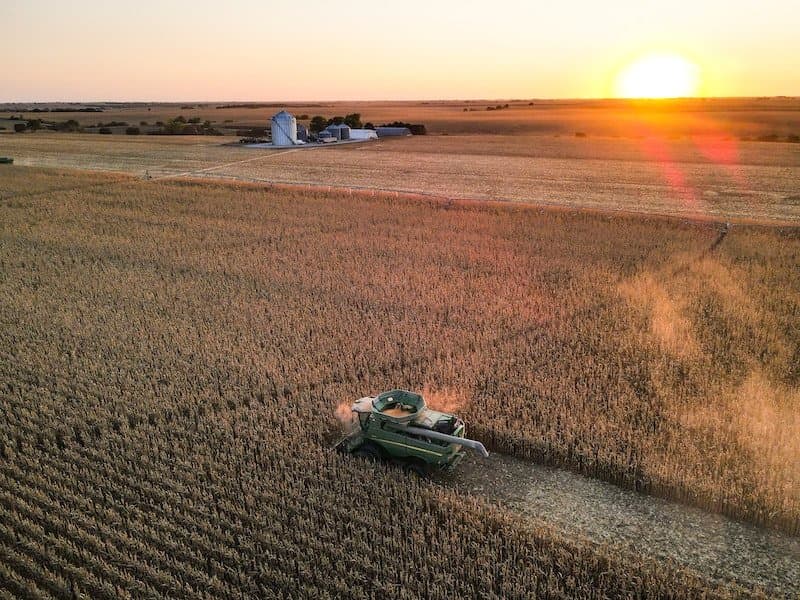
Route planning — satellite imagery guides agricultural machinery paths based on current field conditions, reducing soil compaction and fuel consumption.
Aquaculture — interconnected sensors monitor fish farm conditions (oxygen levels, temperature, feeding behavior, disease signs), improving fish health and profitability while reducing environmental impact from over-feeding.
Health Monitoring and Disease Prevention
Computer vision detects behavioral and physical changes that indicate early infection symptoms. Early detection of infectious disease occurrences enables targeted action that can prevent disease from spreading across the herd, minimizing livestock loss and antibiotic usage.
Applications extend to specialized environments, such as hive monitoring for honeybee colony health assessment — critical for understanding colony collapse and maintaining pollinator populations that agriculture depends on.
Annotation for Agricultural Computer Vision
Annotating agricultural imagery requires domain expertise. Key elements:
- Define annotation types — identify specific objects (animals, feed stations, health indicators)
- Gather diverse datasets — across seasons, weather conditions, and animal life stages
- Select annotation methods — bounding boxes for individual animal detection; segmentation masks for complex scenes
- Assign class labels — distinguishing individual animals from herds, healthy from symptomatic
See also: Part 1 — Computer Vision in Crop Planning and Harvesting