
Human Image Annotation in the Era of VLM: Why It Is Still Key
Is human annotation dead? Discover why VLMs need RLHF and Ground Truth data to prevent hallucinations and ensure Computer Vision accuracy.
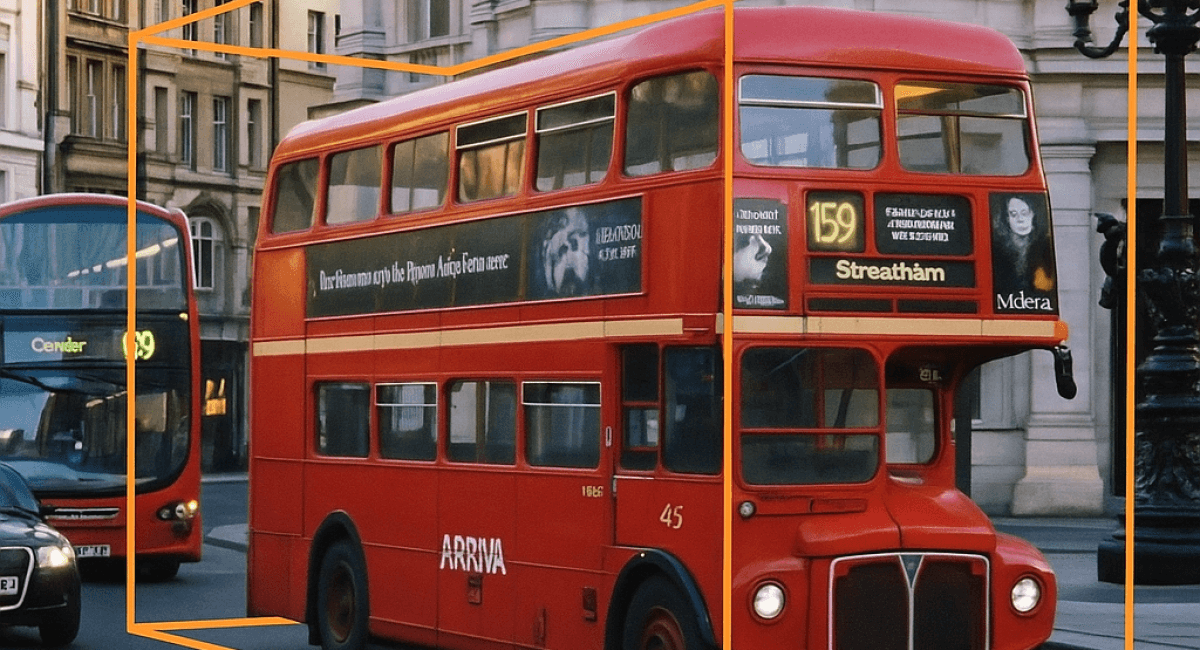
From LiDAR to Labeling: 3D Point Cloud Annotation for Autonomous Vehicles
A practical guide to 3D point cloud annotation workflows, cuboid labeling, and quality standards for autonomous vehicle datasets.

Harnessing AI/ML for Advanced Geospatial Image Processing
Satellite and aerial imagery annotation at scale — how AI/ML transforms geospatial data into actionable intelligence for environmental monitoring, agriculture, and urban planning.

Why Data Annotation is Our Mission Critical?
Data annotation is a critical component of any AI project, particularly in computer vision, where precise labeling of images directly impacts model performance.

How Can Your Business Leverage Computer Vision and AI?
Can every business benefit from computer vision and AI? Learn how to leverage visual intelligence for efficiency, cost reduction, and better decisions.
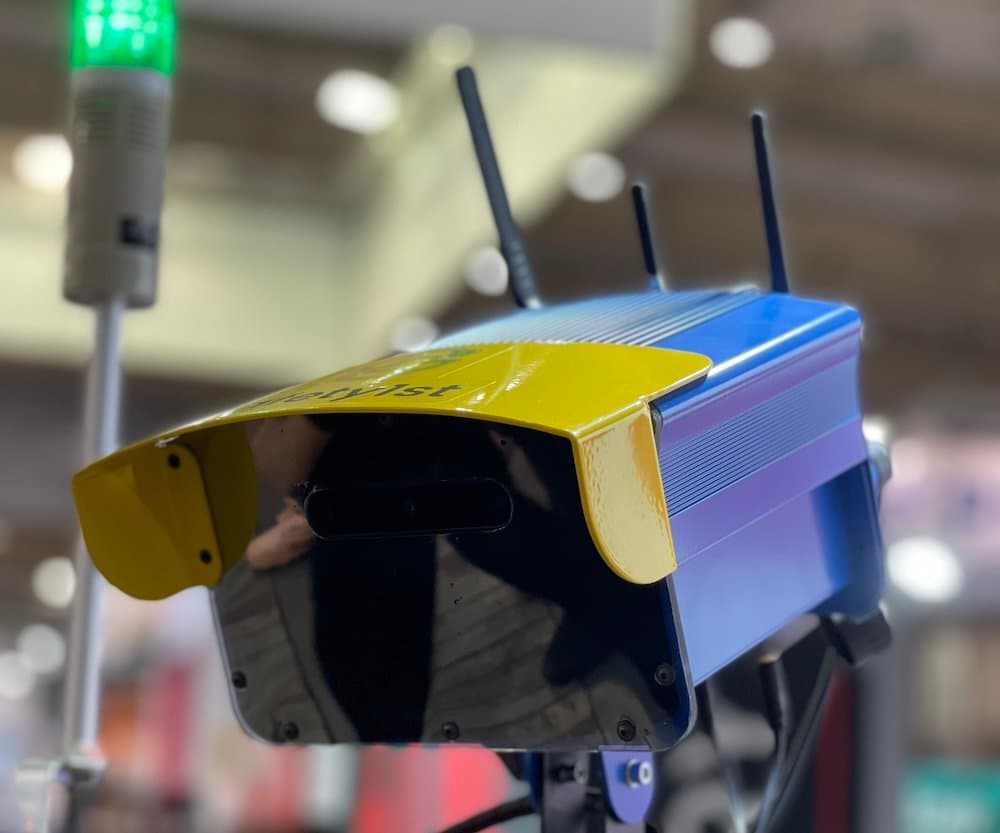
Mobile Surveillance System Powered by Computer Vision
How BoBox partnered with Safety1st to implement computer vision on mobile surveillance towers for construction site security — from dataset preparation to 90%+ precision.

How to Launch a Successful Computer Vision Project
Many CV projects fail to reach production without demonstrating ROI. Learn the proven best practices for defining scope, collecting data, and successfully deploying computer vision.
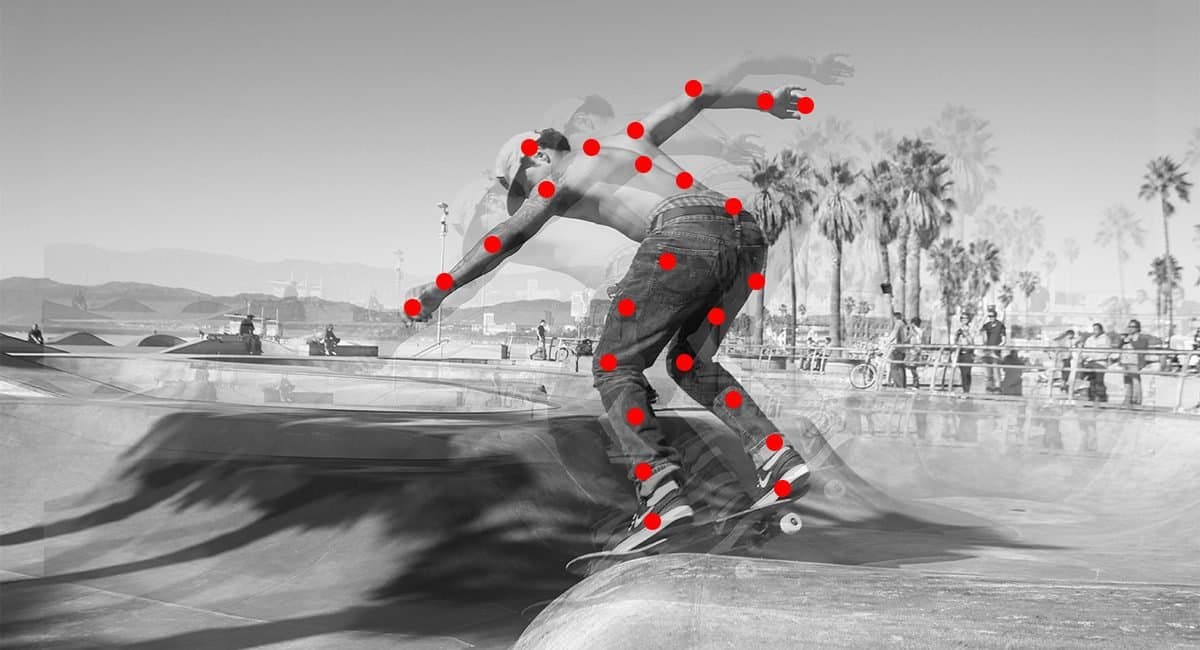
Keypoint Annotation When Boxes Are Not Sufficient!
When bounding boxes aren't enough, keypoint annotation enables pose estimation, gesture recognition, and emotion detection. Here's everything you need to know.

Generative AI in Computer Vision
How GANs, VAEs, and diffusion models are transforming computer vision — from synthetic data generation to dataset augmentation for more robust AI models.

Does Computer Vision Support Detection and Firefighting?
Computer vision helps fire services detect smoke and flames earlier, spot hazards before they become incidents and keep crews safer during operations. Here's how it works — and what the training data needs to cover.

How Artificial Intelligence Can Assist Police?
Police units are among the largest adopters of computer vision and ML. From predictive models and surveillance to license plate recognition and traffic control — how AI assists policing, and what responsible deployment requires.

How Can Computer Vision Move the World Economy Toward Zero Waste?
Computer vision can sort waste on conveyor belts, guide sorting robots and turn waste streams into data for collection and recycling decisions. Here's how it works — and how to build the dataset behind it.
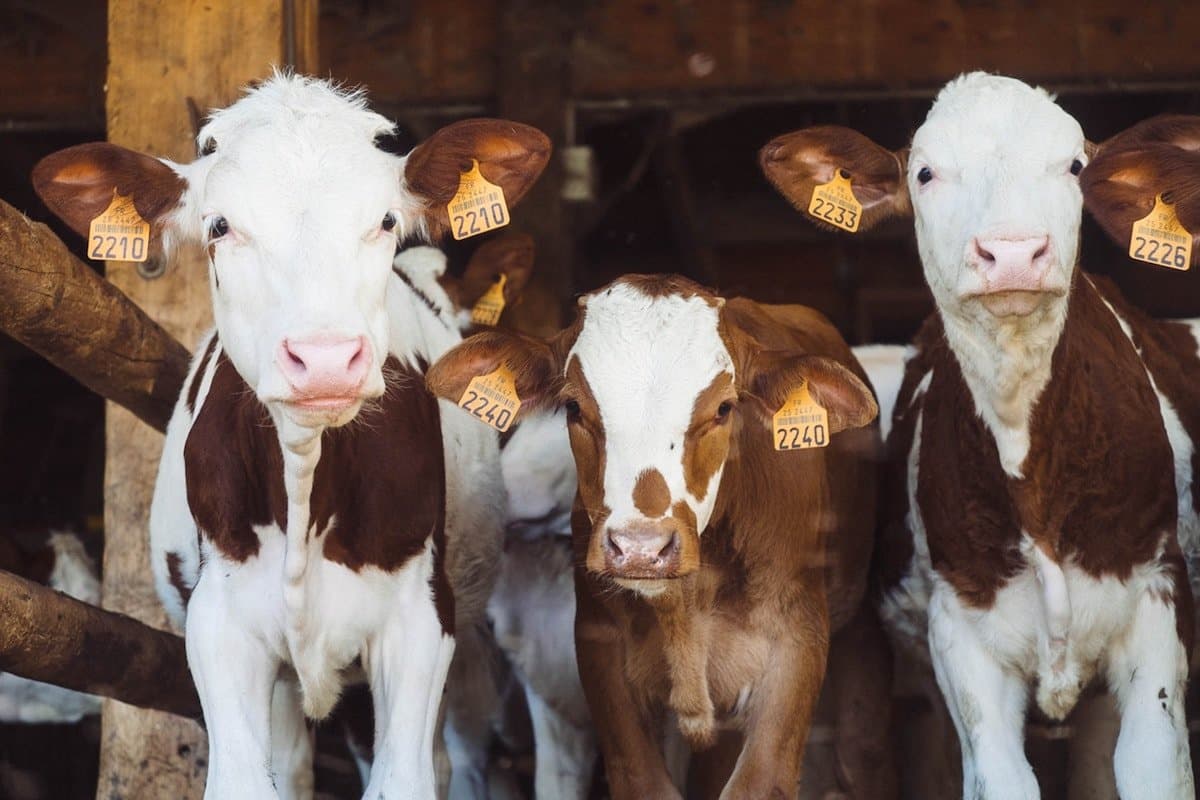
Areas of Application of Computer Vision in Agriculture (Part 2)
How computer vision supports livestock farming — health monitoring, abnormal behavior detection, counting, farm operations, aquaculture and hive monitoring — and how to annotate animal datasets.
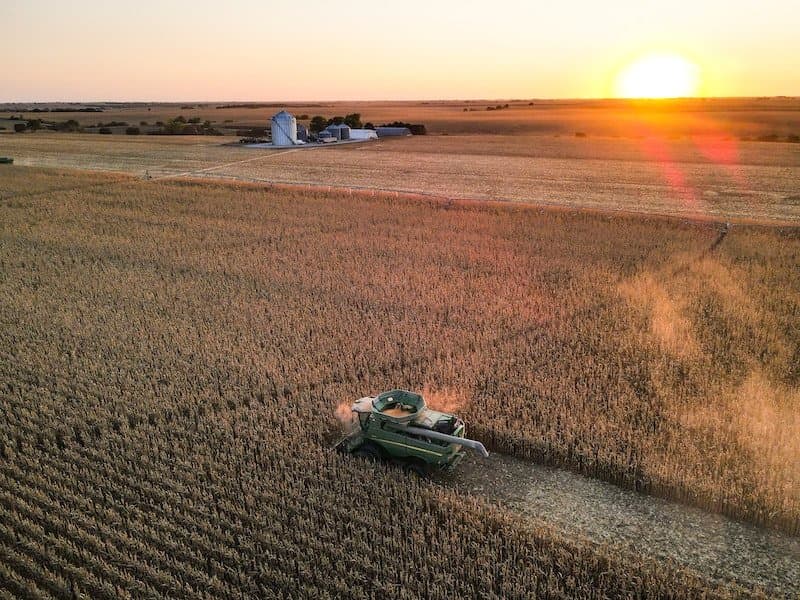
Areas of Application of Computer Vision in Agriculture (Part 1)
How computer vision supports crop production — land and planting planning, drone-based crop monitoring, disease detection, yield estimation and harvest automation — and how to annotate the data behind it.

Data Quantity vs Data Quality
A smaller, well-annotated dataset often teaches a computer vision model more than a larger, noisy one. Here's how annotation errors hurt models — and how to get both volume and quality.
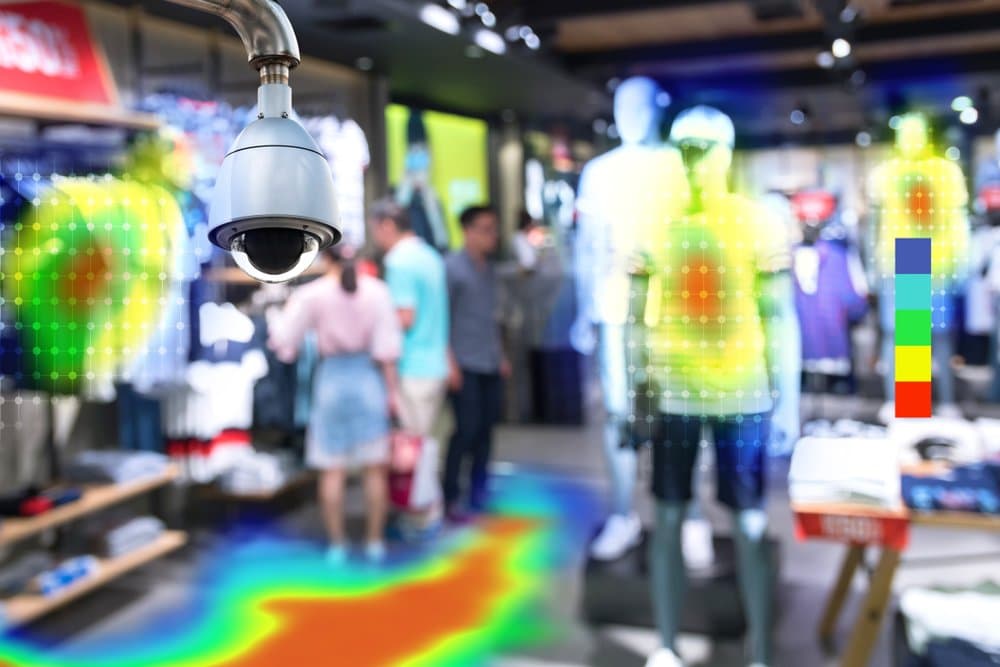
Areas of Application of Computer Vision in Retail Stores
From customer journey heatmaps to planogram compliance and real-time inventory monitoring — how computer vision works in retail stores and what training data it needs.
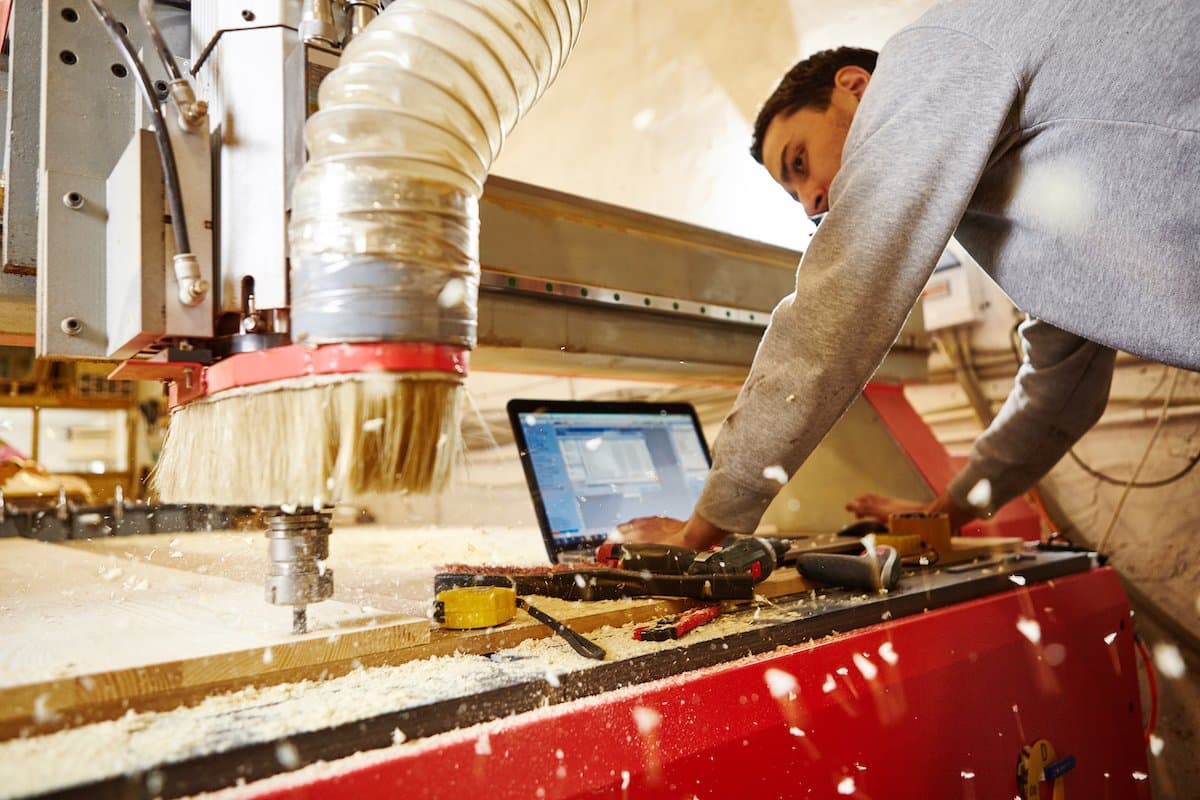
How Computer Vision Improves the Quality Control Process
Computer vision automates visual quality control in mass production — faster and more consistent than manual inspection. Here's how it works, from data and annotation to ML vs. OpenCV.
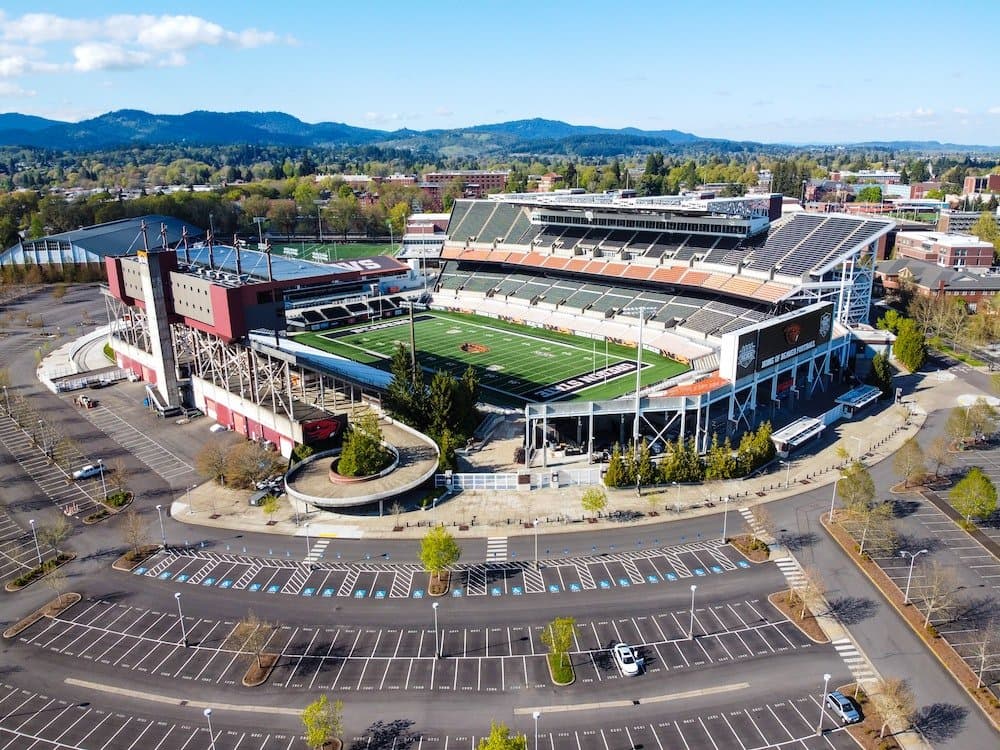
Event Venues Challenges: How to Improve Operational Efficiency?
Stadiums, arenas and concert halls compete with at-home entertainment. Computer vision helps them improve parking, queues, crowd safety and visitor experience — if the dataset reflects the venue.
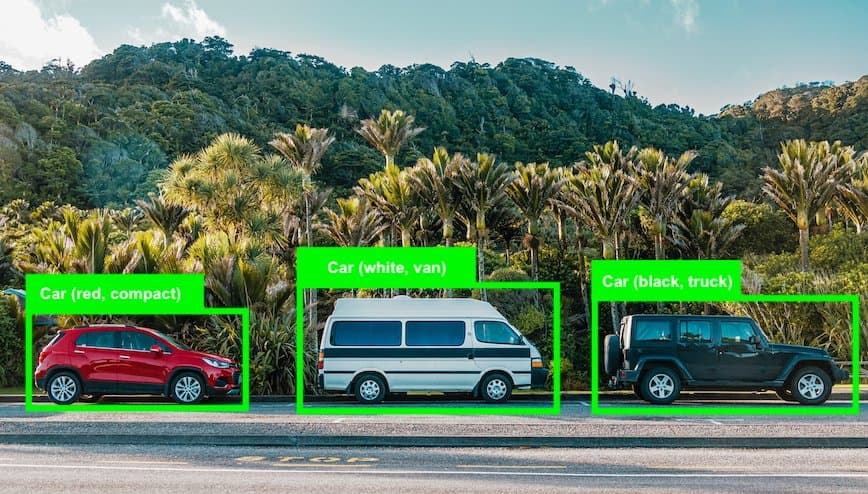
Computer Vision for Vehicle Detection
Vehicle detection enables counting, tracking and behavioral analysis — from traffic management and section control to parking and drive-through operations. Here is how it works and what data it needs.

Areas of Application for Computer Vision Algorithms (Part 2)
People analytics with computer vision — human traffic analysis, customer counting, service timers and heatmaps — and what it takes to make these models reliable in a real space.
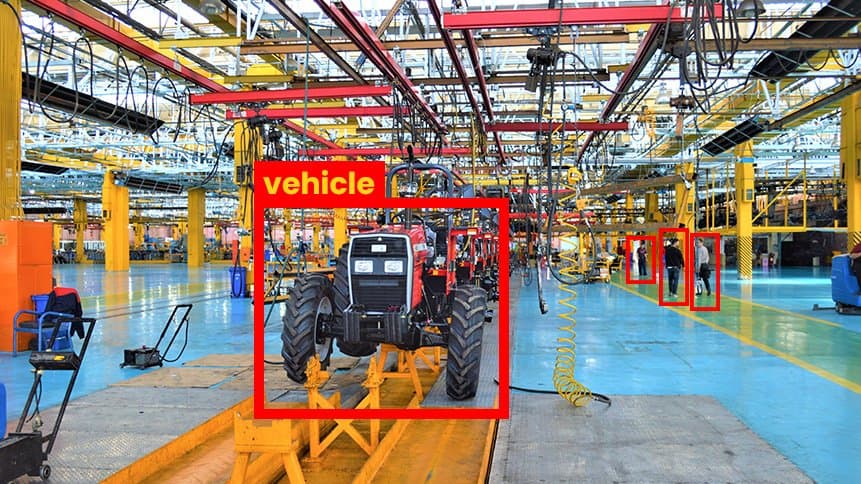
Areas of Application for Computer Vision Algorithms (Part 1)
Where computer vision pays off in industrial operations — production supervision, quality control, safety compliance and inventory — and what training data each use case needs.

The Importance of Details in Data Annotation
Should a half-visible person be labeled? The answer depends on what the model is for — and small decisions like this make or break computer vision projects. Here's how to get annotation details right.

Taskforce Oriented to Deliver Best Quality Dataset for AI Models
Who does what in a data annotation project? The roles of the ML specialist, taxonomy lead, annotators, project manager and reviewers — and how they work together to deliver a high-quality dataset.

Safety 1st – Facemask Detection Case Study
Safety1st's facemask detection worked in the lab and failed at a car dealership. BoBox rebuilt the dataset from ~15,000 on-site photos — and the model reached ~90% precision in production.

Benefits of Using Artificial Intelligence and Machine Learning
What image recognition systems are, how they work, and where AI and machine learning bring measurable benefits — from quality control to retail, mobility and safety.

AI Model Is Only as Good as the Training Dataset
A model trained on data that doesn't match production will fail in production. Here's how to build a training dataset that represents reality — and when to outsource annotation.